Led by Pakpoom Reunchan at Kasetsart University, the Computational Materials Unit uses first-principles electronic-structure calculations and density-functional theory (DFT) to understand and design functional materials. Our research focuses on n-type and p-type transparent conducting oxides, defect physics in semiconductors, and hydrogen-related phenomena in materials. We also investigate two-dimensional and porous materials for gas sensing—particularly applications in agriculture and food safety—and for hydrogen storage.
Research
From atomic mechanisms to functional materials
Our core research uses first-principles calculations to understand semiconductor defects, hydrogen storage, gas sensing, and photocatalytic materials. We are also developing beyond-lithium battery anodes.
01Established research
Defects & electronic structure
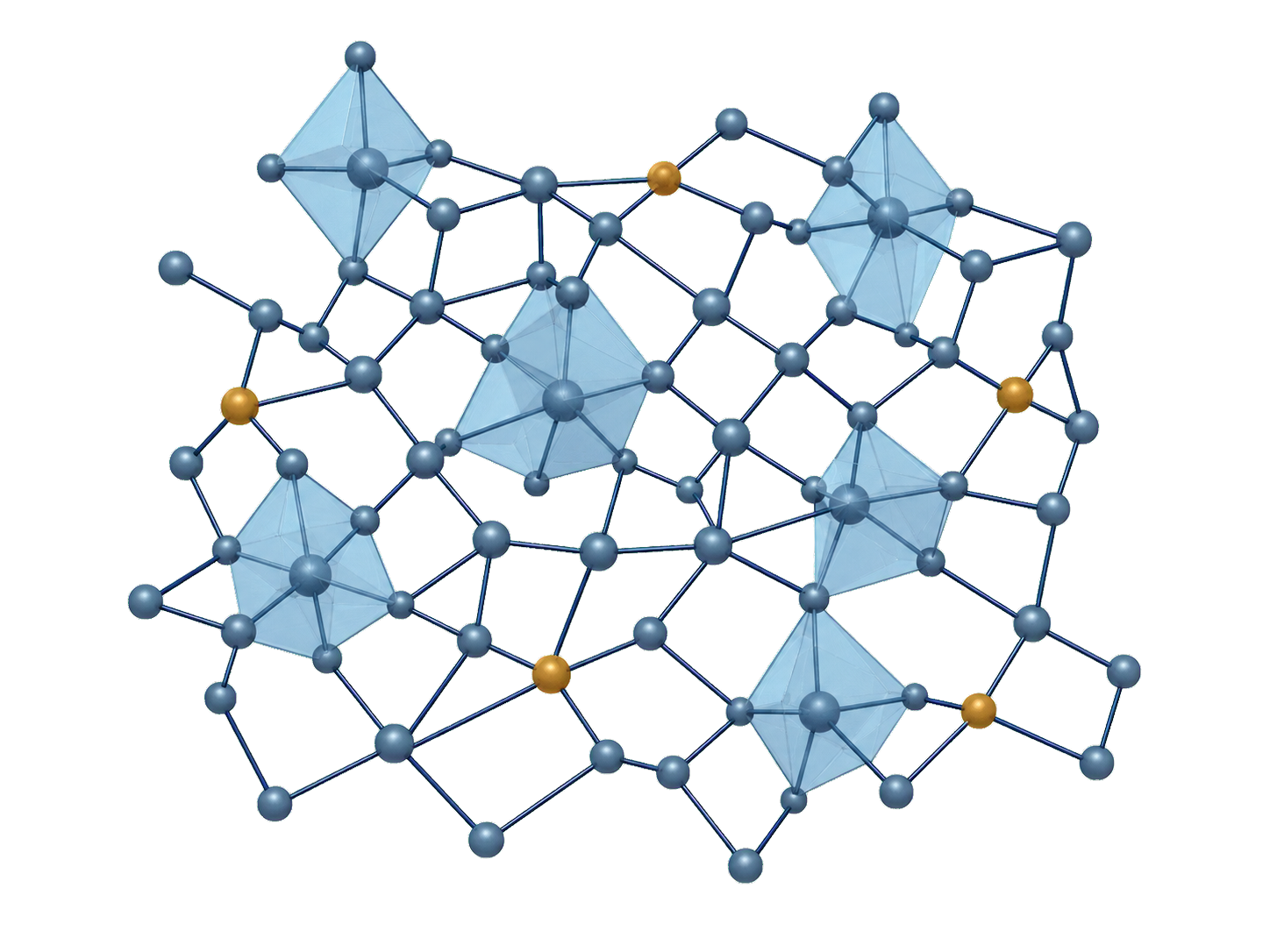
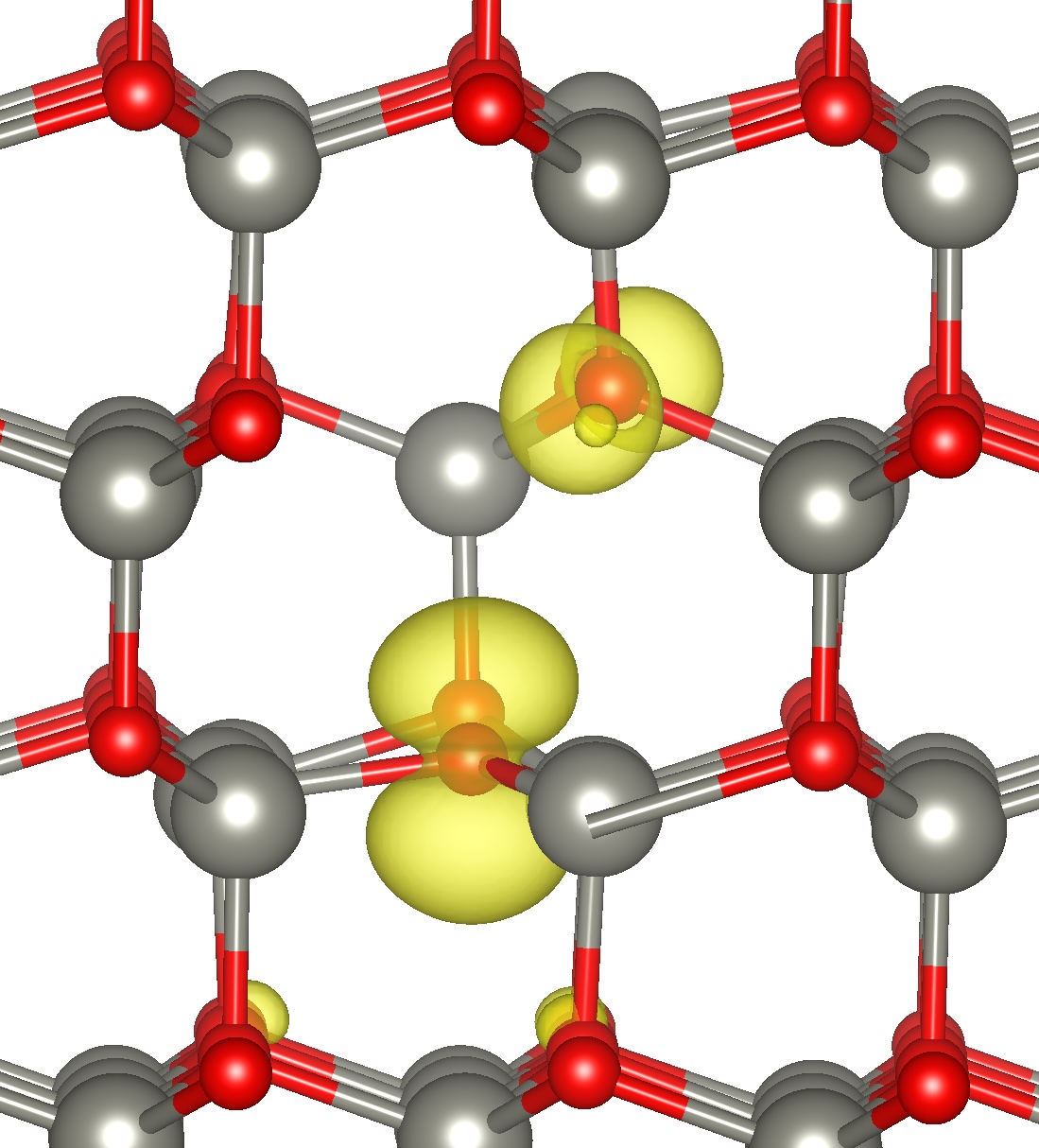
We study how vacancies, impurities, and their complexes control conductivity and optical response in semiconductors and oxides. Hybrid DFT, charge-neutrality analysis, migration barriers, and vibrational signatures connect atomic defects to experiments. Our work also examines surface stability and morphology, including oxygen-pressure effects in PbO₂.
We investigate molecular hydrogen binding in porous graphene, carbon nitrides, and layered chalcogenides. Metal decoration and electric fields tune adsorption strength, while thermodynamic analysis tests the balance between storage capacity and reversible release.
We investigate how metal doping tunes the response of carbon-nitride and boron–carbon–nitride monolayers to gas molecules. Our studies of C₃N and BNC₂ connect adsorption, charge transfer, electronic response, and recovery time to selective detection, with particular interest in agricultural biomarkers.
We use hybrid density-functional calculations to understand how doping and alloying alter light absorption, carrier compensation, and band-edge positions. Our studies of Cr-doped and codoped SrTiO₃, Ag₃AsO₄, and Ag₃PO₄ establish design principles for visible-light-responsive photocatalytic oxides.
We are exploring carbon allotropes and two-dimensional layered anodes for emerging rechargeable batteries, with particular interest in sodium-ion systems. This direction builds on our experience in adsorption, diffusion, and electronic-structure calculations.
Questions we are exploring
Binding & mobility
Where do ions adsorb, and how readily can they migrate?
Storage & voltage
How do ion loading and host structure affect capacity and voltage?
Structural stability
Can candidate anodes remain stable as ions are inserted?
Work in progress. Publications from this direction will be added as they become available.
Sodium-ion systems
Carbon allotropes
2D anodes
Supporting collaborations
Extending our materials research
Collaborative studies complement these core themes, including lithium diffusion in MXenes, proton-conducting titanates, pseudocapacitors, gas-separation membranes, electrochemical sensing, and solar-cell interfaces.
We welcome motivated students interested in computational materials science, first-principles calculations, semiconductor defects, hydrogen storage, battery materials, and gas sensing.
Research milestones, new publications, and noteworthy progress from our group.
Published paper
Thermodynamic and kinetic stability of Cl and F donors in ZnO
Supparat Charoenphon, Audomsak Sripothongnack, Sukit Limpijumnong, and Pakpoom Reunchan
Now published in Physical Review Materials, this screened-hybrid-DFT study shows that substitutional Cl and F can act as shallow, kinetically stable donors in ZnO while clarifying defect association, compensation, migration, and carrier concentrations.
Conferences, workshops, and group activities that strengthen our research community and collaborations.
Conference · Korat, Thailand
ANSCSE29
The Computational Materials Unit attended ANSCSE29 in Korat, sharing ideas and connecting with Thailand’s scientific computing community.
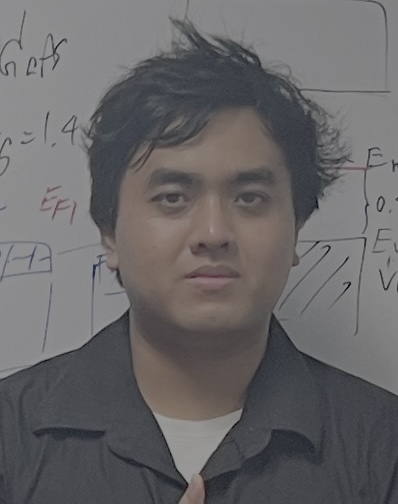
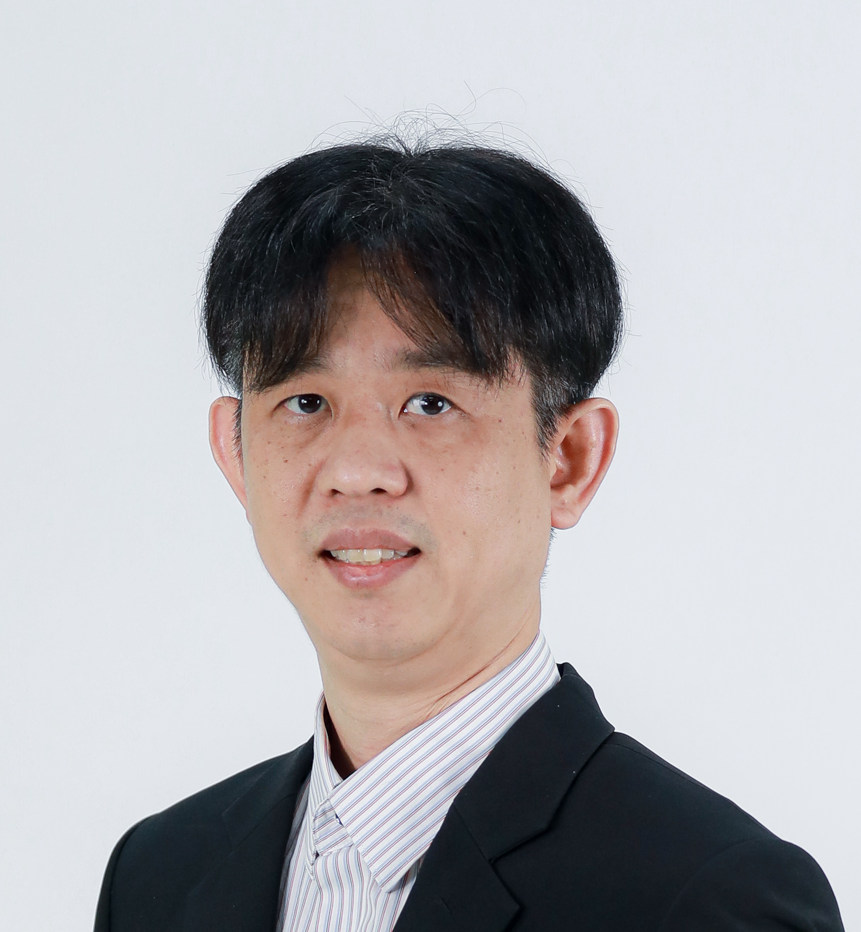
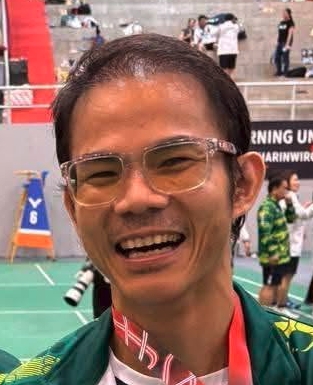
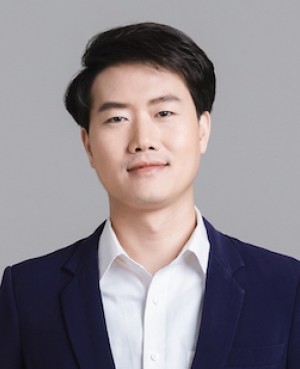
Our group at ANSCSE29Pakpoom Reunchan presentingAudomsak Sripothongnack presentingWatcharin Teeranattapong presentingPakpoom Reunchan with an ANSCSE29 organizer
Conference · Yokohama, Japan
ACCMS-11
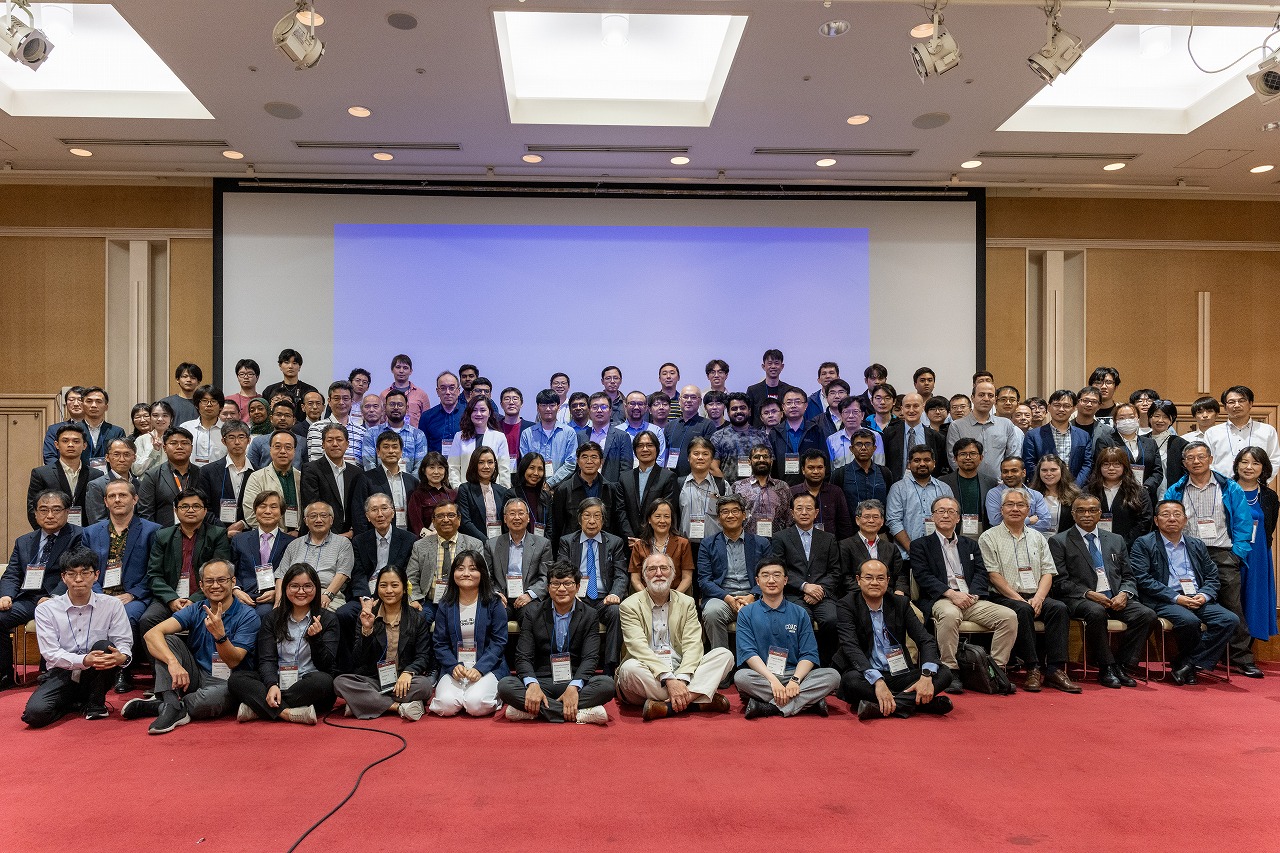
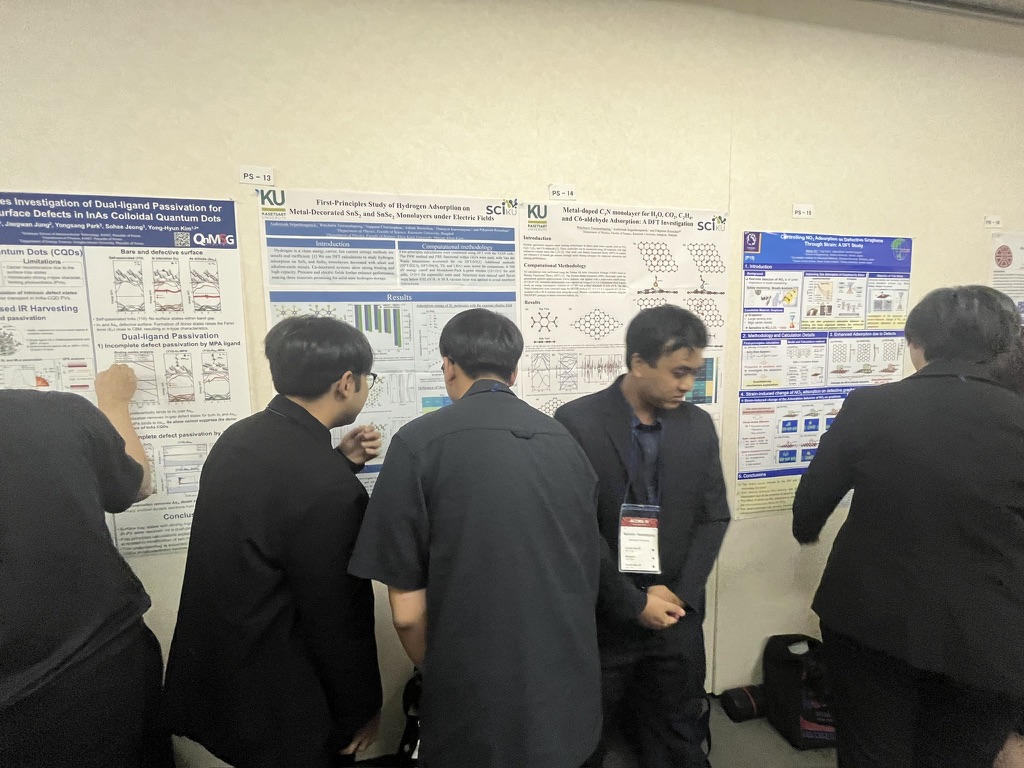
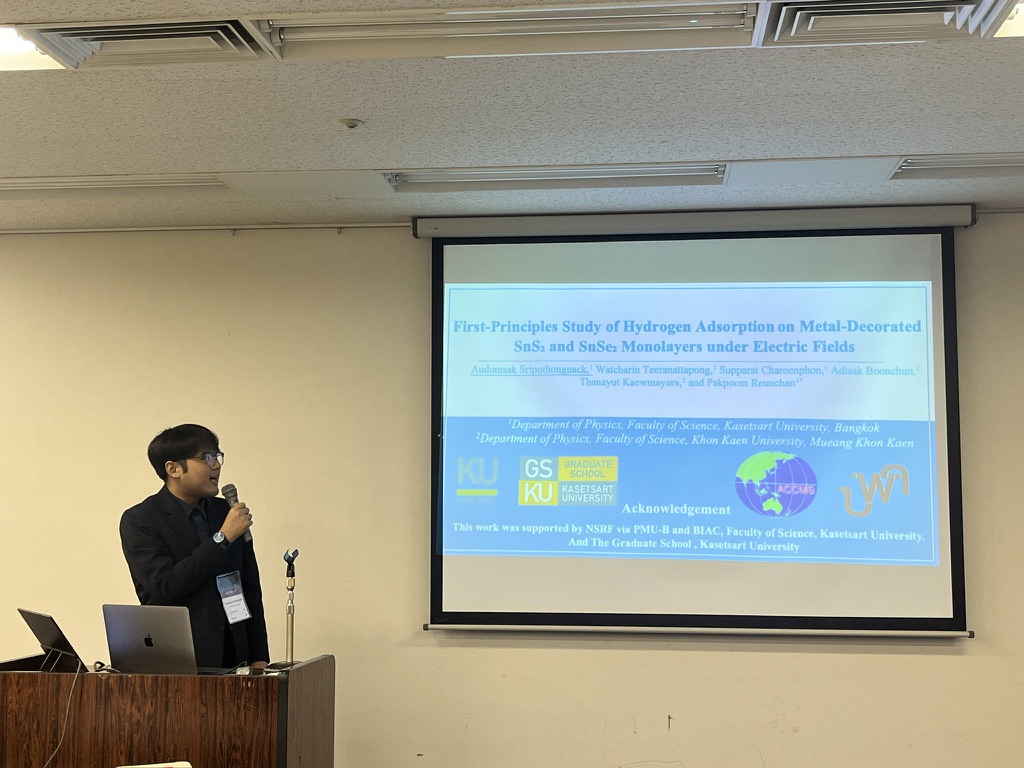
Members of the Computational Materials Unit joined ACCMS-11 in Yokohama, presenting research on hydrogen adsorption, gas sensing, and defect physics while connecting with the international computational materials community.
The unit brings together a principal investigator, research collaborators, and graduate students working across physics, materials science, and computation.
Principal Investigator
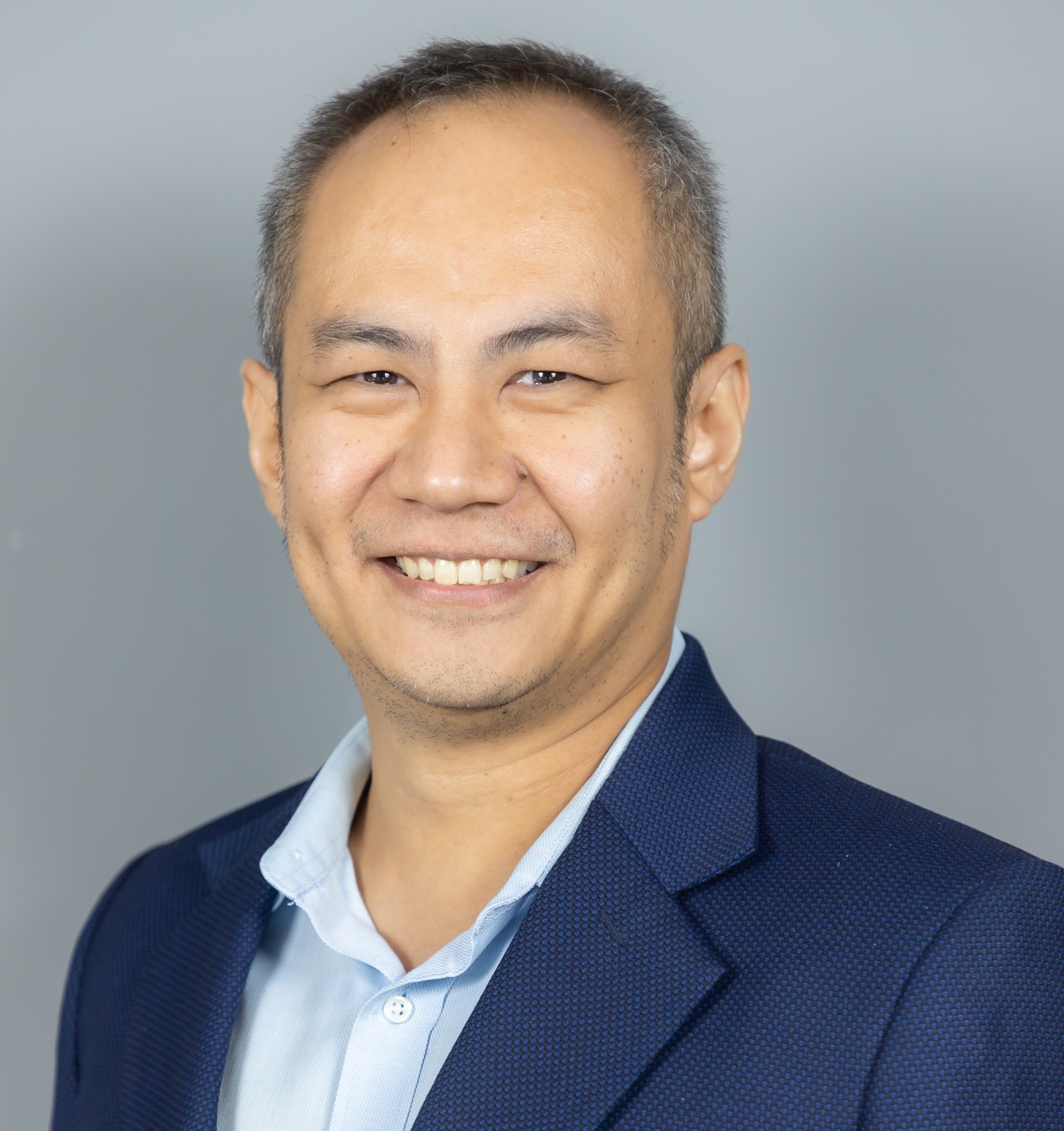
Pakpoom Reunchan
Pakpoom Reunchan is an Associate Professor of Physics at Kasetsart University and Principal Investigator of the Computational Materials Unit. He earned his Ph.D. in Physics from Suranaree University of Technology, where his doctoral research focused on first-principles studies of defect complexes in semiconductors. His international research experience includes a visiting appointment at the University of California, Santa Barbara, followed by postdoctoral fellowships at the Asia Pacific Center for Theoretical Physics in South Korea and the National Institute for Materials Science in Japan. His research applies density-functional theory and advanced first-principles methods to defect physics, transparent conducting oxides, hydrogen in materials, gas sensing, and hydrogen-storage materials.
Current students
Graduate researchers developing materials insight from first principles
Audomsak Sripothongnack
Ph.D. student
Low-dimensional materials for hydrogen storage and gas sensing.
Watcharin Teeranattapong
Ph.D. student
Two-dimensional materials for agricultural and toxic-gas sensing, and beyond-lithium battery anodes.
Tawan Paensuk
M.Sc. student
First-principles studies of transition metal dichalcogenides (TMDs) for toxic-gas sensing.
Alumni
Former graduate researchers
WT
Worawat Traiwattanapong
M.Sc. · 2018
PN
Pongdet Netrattana
M.Sc. · 2018
Intuon Chatratin
M.Sc. · 2019
Supparat Charoenphon
M.Sc. · 2020Ph.D. · 2025
Aroon Ananchuensook
M.Sc. · 2023
Watcharin Teeranattapong
M.Sc. · 2026
Audomsak Sripothongnack
M.Sc. · 2026
Collaborators
Research partnerships
Adisak Boonchun
Research Collaborator
Department of Physics · Kasetsart University
Energy materials and first-principles modeling
Jiraroj T-Thienprasert
Research Collaborator
Department of Physics · Kasetsart University
Computational materials and electronic structure
Teeraphat Watcharatharapong
Research Collaborator
Department of Physics · Kasetsart University
Energy storage and computational materials modeling